


How Churches Slowly Decide to Die
Churches do not decide to close overnight. They move in that direction through a series of small decisions that prioritize comfort, tradition, and preference over mission. The shift is gradual and often unnoticed at first. Healthy churches choose a different path by evaluating what truly serves the mission and making intentional decisions to move forward.
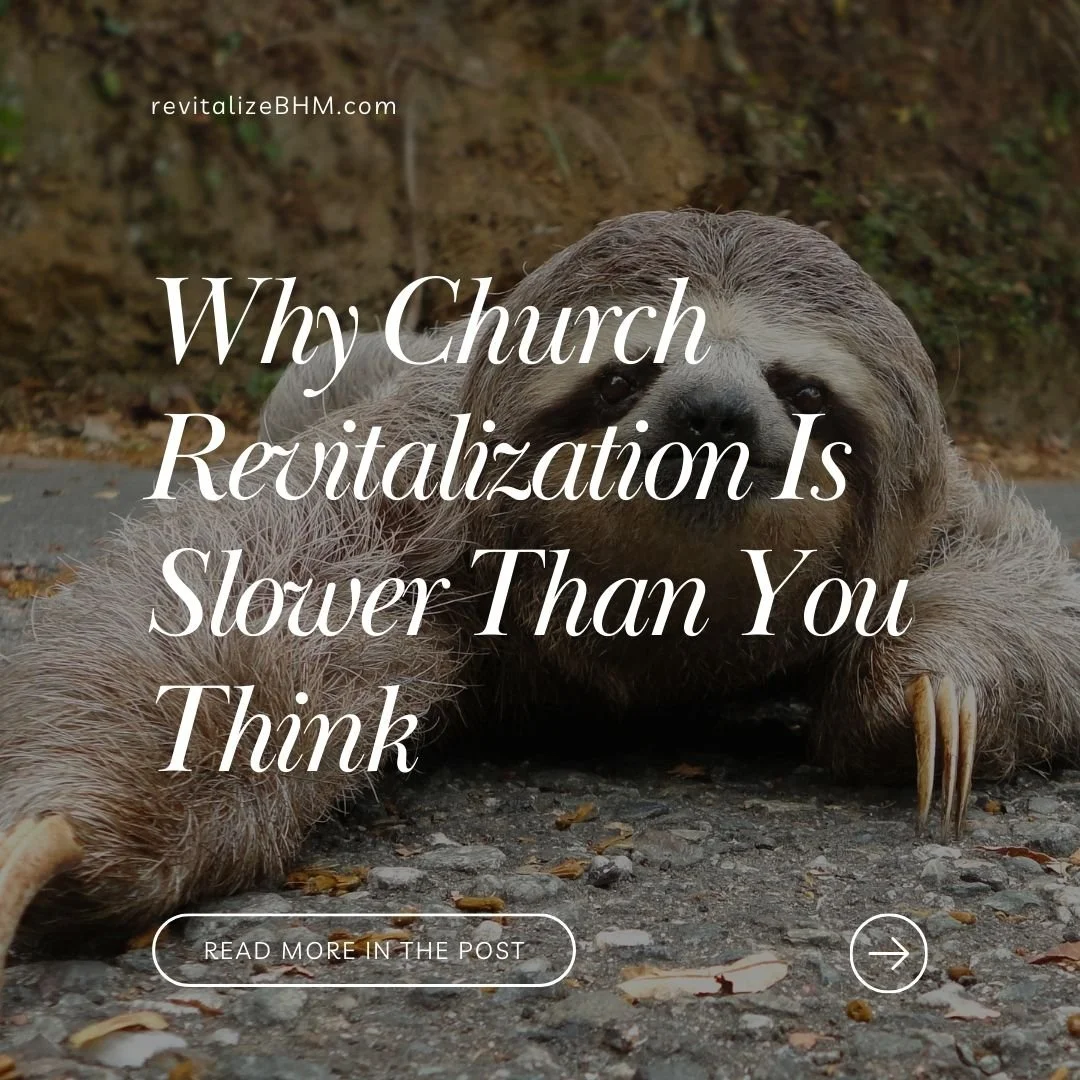
Why Church Revitalization Is Slower Than You Think
Churches did not drift into decline overnight, and they will not return to health overnight. Revitalization requires patience, steady leadership, and realistic expectations. Progress often appears in small, quiet victories before it shows up in attendance numbers. Churches that celebrate those small signs of health stay motivated long enough to see lasting renewal.

January Is the Time to Look in the Mirror
Just as individuals reflect in January, churches should pause to assess reality. Reviewing trends, listening to people, studying the community, and examining spiritual health creates clarity. Honest evaluation is the necessary starting point for faithful planning.

The Ministry Myths That Keep Dying Churches From Moving Forward
Churches often cling to myths like “we just need young families” or “a new pastor will fix everything.” These beliefs derail revitalization because they shift focus away from true spiritual and cultural issues. Naming these myths is the first step toward health.

Why Revitalization Takes Longer Than You Think
Revitalization feels slow because culture changes slowly and discipleship grows at real-life speed. God shapes the pastor and the church through seasons of waiting, resistance, and small steps. Slow movement is not failure. It is the normal pace of lasting renewal.

The Silent Killers of Church Revitalization
Most revitalization efforts are not destroyed by loud conflict. They are quietly suffocated by resentment, fear, passive leadership, disengaged volunteers, and a lack of honest evaluation. Addressing these silent killers is the first step toward a healthier, united church.

When the Pastor Wants Change More Than the People Do
Many pastors want change faster than their church is ready to move, and that tension creates frustration. Scripture shows that this struggle is not new. Healthy revitalization requires patience, teaching, trust building, and steady formation. Progress comes when leaders walk with their people, not ahead of them.

Revitalization Isn’t Rebranding: Why Paint and New Logos Don’t Fix Dying Cultures
Many churches mistake rebranding for revitalization. Fresh paint, new logos, and modern marketing can make things look better, but they cannot heal what is broken. True revitalization begins with repentance, grows through relationship, and leads to renewal. Change the culture before you change the carpet.

When Busyness Becomes a Badge
In ministry, “busy” has become the new “blessed.” But busyness can replace obedience and slowly drain the soul of the church. Learn how to slow down, lead intentionally, and rediscover the joy of faithful ministry.

Stop Fixing What Isn’t the Problem
Many churches waste energy tweaking what is visible without addressing what is truly broken. This post helps leaders step back, ask better questions, and deal with root issues instead of just the fruit. Quick fixes will not bring lasting change—but honest questions and deep listening might.