


Why Churches Are Struggling to Develop Future Leaders
Many churches are struggling to develop future leaders, but the reasons are more complex than simple generational differences. Leadership development often takes a back seat to filling positions, while long-tenured leadership structures and changing economic realities create additional challenges. Healthy churches create intentional pathways for emerging leaders to gain experience, grow, and serve.

Where Do You Start? Ten Early Steps in Church Revitalization
When a church stalls, plateaus, or declines, pastors often feel pressure to act quickly. Healthy revitalization usually begins with a slower and more deliberate season of prayer, listening, and learning. These ten early steps help pastors understand the church’s story, identify the real causes of decline, build trust with leaders, and guide the congregation toward renewed faithfulness without creating unnecessary division.
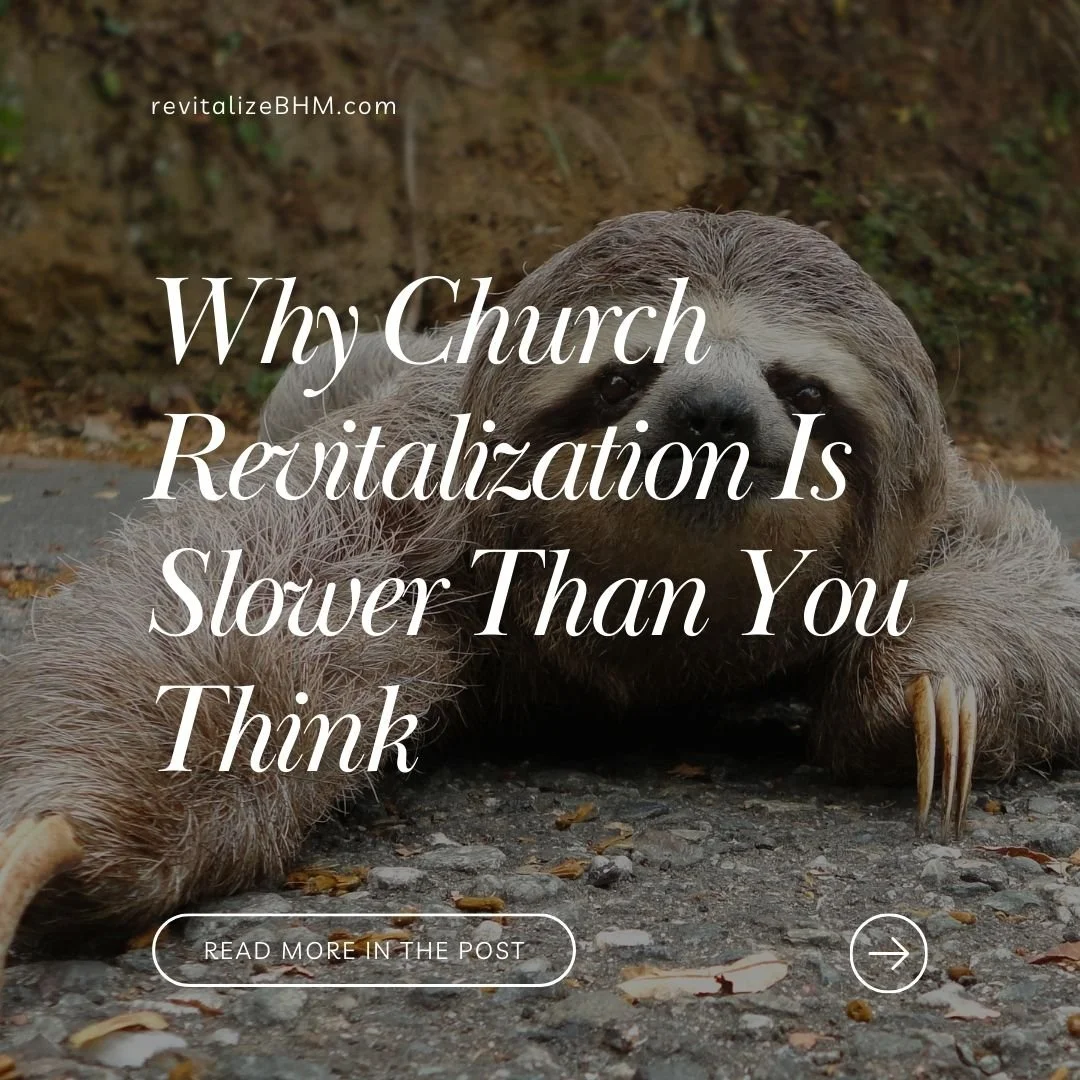
Why Church Revitalization Is Slower Than You Think
Churches did not drift into decline overnight, and they will not return to health overnight. Revitalization requires patience, steady leadership, and realistic expectations. Progress often appears in small, quiet victories before it shows up in attendance numbers. Churches that celebrate those small signs of health stay motivated long enough to see lasting renewal.

The First 30 Days After a Pastor Resigns
The first weeks after a pastor resigns are about stabilizing the church, not rushing the search. Clear communication, defined leadership, guarded unity, outside counsel, and honest assessment prevent anxiety from driving decisions. Churches that move deliberately in transition position themselves for long-term health instead of short-term relief.

When Churches Build Golden Calves
Leadership transitions create vulnerability. When clarity is absent, anxiety fills the space and drift follows. In Exodus 32, Israel built a golden calf when Moses was gone, not out of calculated rebellion but out of urgency and fear. Churches can do the same thing during pastoral transitions, choosing quick fixes, nostalgia, or power shifts instead of patient, mission-focused leadership.

When Churches Choose Memories Over Mission
Churches in transition often choose pastors based on the golden age of their past rather than the realities of their next season. The church chooses someone who fits its memories instead of its mission, which fuels nostalgia, inward focus, and reversion. Strategic Interim leadership helps churches understand their current reality, their community, and the kind of leadership the next season actually requires.

When Churches Want Hospice but Need Physical Therapy
Many declining churches say they want revitalization, but the leaders they choose reveal a deeper desire for comfort. Hospice leadership soothes symptoms while decline continues. Churches that still have life need physical-therapy leadership that restores strength through honest assessment, necessary discomfort, and sustained change.

The Building Is Not the Mission
Churches do not need massive buildings to be faithful or effective. In today’s diverse communities, smaller congregations are leading the way by sharing space, partnering with other ministries, and using their buildings as tools—not trophies. Stewardship of space is a missional issue, and one culture cannot reach every culture. It is time to shift from asking “How do we fill this building?” to “How can this building serve the mission?”